The Future of Commercial Cleaning: AI's Role in Creating Healthier Workspaces
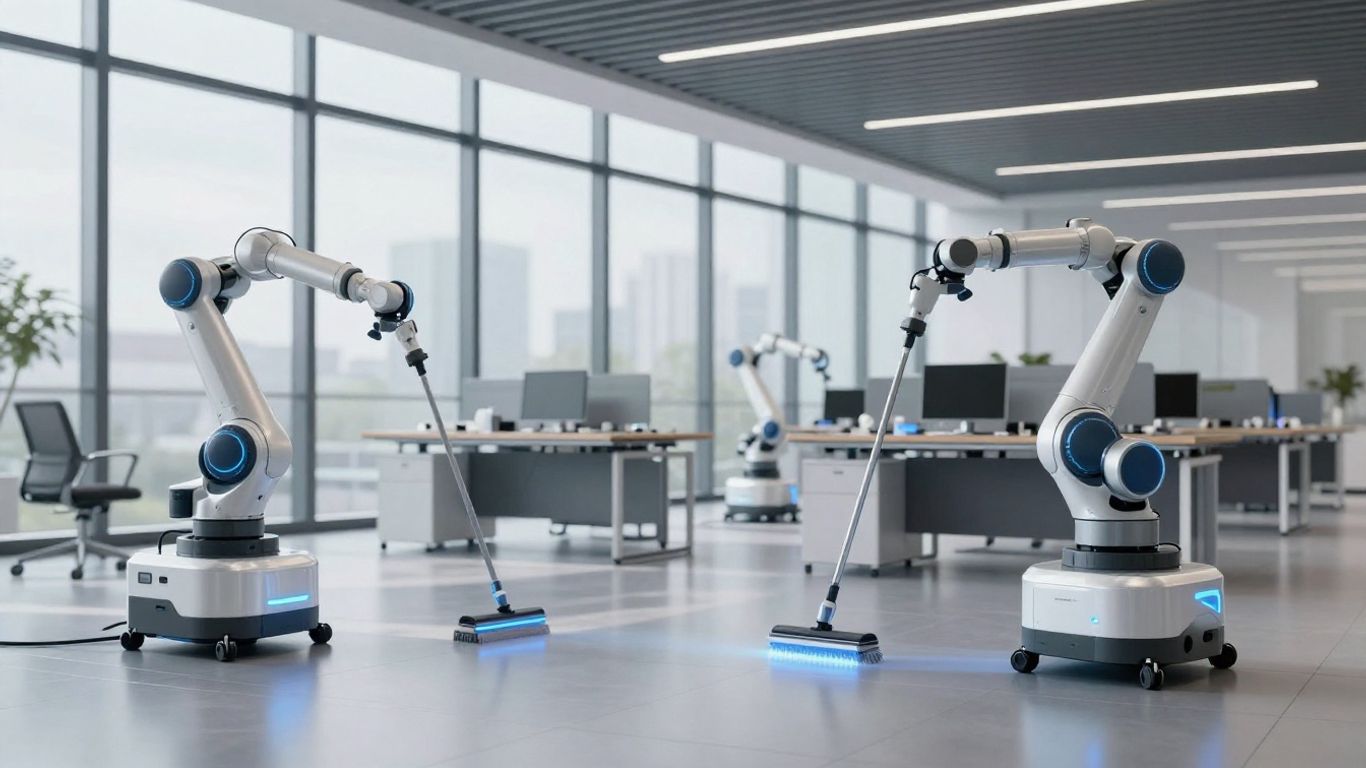
Keeping commercial spaces clean and healthy is more important than ever. It's not just about appearances anymore; it's about making sure everyone who walks through the door feels safe and comfortable. Luckily, the way we clean is changing fast, thanks to new tech. We're talking about smarter ways to get the job done that use less time and fewer resources, all while doing a better job. This article looks at how artificial intelligence is stepping in to help make our workplaces healthier and cleaner.
Key Takeaways
- AI is helping commercial cleaning get smarter by letting machines figure out the best way to clean and when to do it.
- Using sensors and data helps cleaning teams know exactly where and when cleaning is needed most, so nothing gets missed.
- Robots and automated tools can handle the routine jobs, freeing up people to focus on the detailed work.
- AI helps create better cleaning schedules that adapt to how a building is actually used, making things more efficient.
- The future of cleaning involves using data and smart tech to keep spaces consistently clean and healthy for everyone.
The Rise of AI-Powered Commercial Cleaning
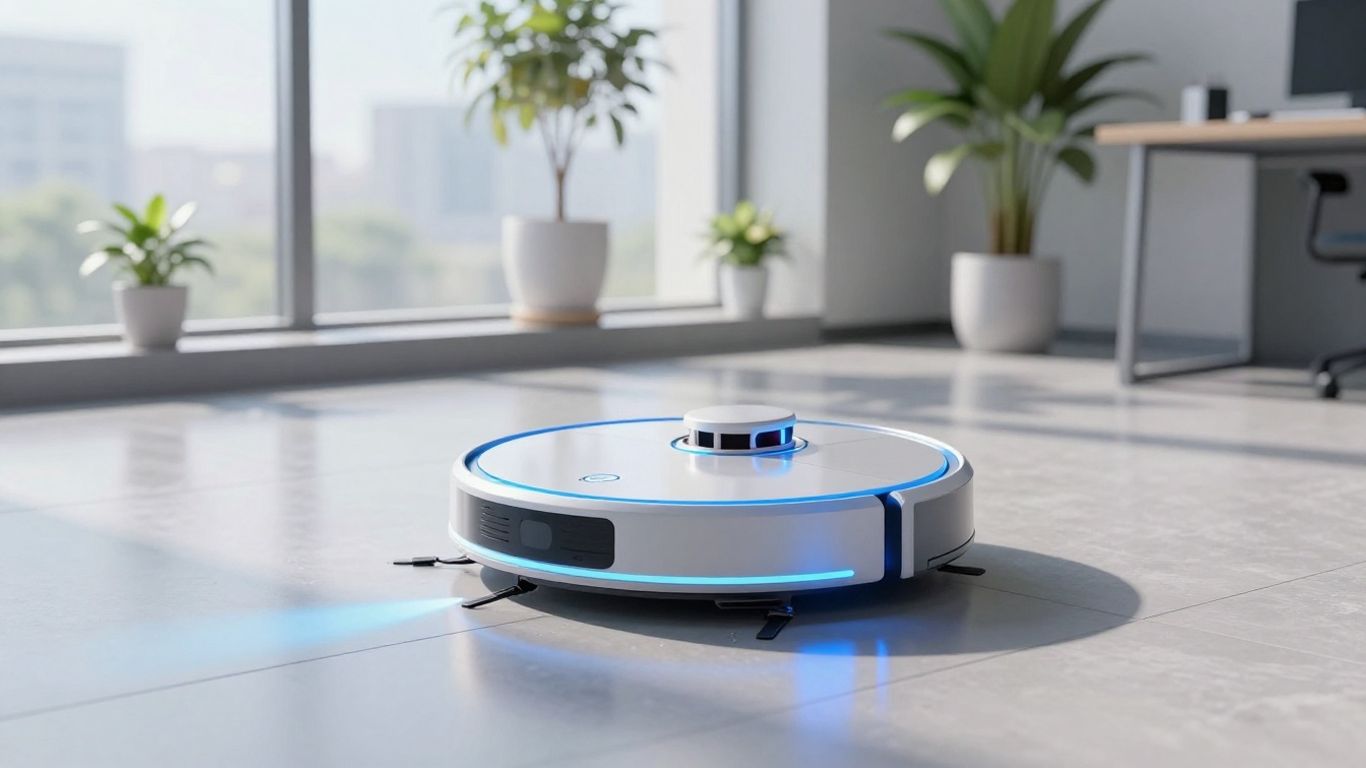
It feels like just yesterday we were talking about basic cleaning schedules, and now? We're looking at a whole new ballgame with AI. The commercial cleaning world is changing fast, and artificial intelligence is right at the center of it. Think about it: instead of just cleaning when something looks dirty, AI can help us figure out when and where cleaning is needed most. This isn't science fiction anymore; it's happening now.
Intelligent Navigation and Adaptive Cleaning
Robots are getting smarter. They can now map out office spaces, figure out which areas get the most foot traffic, and adjust their cleaning paths on the fly. This means they're not just blindly going through the motions; they're actually responding to how a space is being used. It’s pretty neat to see how these machines can handle the grunt work, leaving human staff to tackle the more detailed jobs. This kind of automation is already boosting operational efficiency in many facilities.
Predictive Analytics for Proactive Hygiene
This is where AI really shines. By looking at data – like how many people are in a building, what the weather's like, or even seasonal trends – AI can predict when and where cleaning will be most important. This lets cleaning services be proactive instead of just reactive. Imagine knowing that a certain conference room will need extra attention tomorrow because of a big meeting scheduled. That's the kind of foresight AI brings to the table.
Enhancing Efficiency and Consistency
One of the biggest wins with AI is how it smooths out the whole cleaning process. It helps assign tasks more logically and makes sure the quality of cleaning stays high, no matter who's doing the job or where. This consistency is a big deal for businesses that need to maintain a certain standard all the time. It means fewer missed spots and a generally cleaner environment, day in and day out.
AI is shifting the focus from simply cleaning up messes to actively preventing them, creating healthier and more productive spaces for everyone.
Here's a quick look at how AI is making a difference:
- Smarter Route Planning: AI algorithms can create the most efficient cleaning routes, saving time and resources.
- Task Optimization: AI helps assign the right tasks to the right people or robots at the right time.
- Quality Control: AI can monitor cleaning performance, flagging areas that need a second pass.
- Resource Management: Better predictions mean less wasted cleaning supplies and energy.
Smart Technologies Revolutionizing Workplace Hygiene
It's pretty wild how much technology is changing the way we keep our offices and workplaces clean. Gone are the days when cleaning was just about a mop and a bucket. Now, we're seeing a whole new wave of smart tools that make things more efficient and, honestly, a lot cleaner.
Automated Solutions for Routine Tasks
Think about all those repetitive jobs, like vacuuming floors or emptying trash cans. Machines are starting to take over these tasks. Robotic vacuums and floor scrubbers can cover large areas without needing someone to constantly supervise them. This means human cleaning staff can spend their time on more detailed work, like sanitizing high-touch surfaces or handling specific cleaning challenges. It’s not about replacing people, but about giving them better tools to do their jobs.
- Robotic vacuums for daily floor maintenance.
- Automated scrubbers for larger floor areas.
- Smart trash receptacles that signal when they need emptying.
IoT Sensors for Real-Time Monitoring
This is where things get really interesting. We're putting sensors in places like restrooms, kitchens, and busy hallways. These little gadgets can tell us when a sink needs cleaning, if a trash bin is full, or if a surface has been used a lot. This lets cleaning teams respond right when they're needed, instead of just sticking to a fixed schedule. It’s like having eyes everywhere, making sure things stay hygienic throughout the day. This kind of on-demand cleaning helps reduce the spread of germs and keeps everyone happier.
Using sensors means we can be much more precise with our cleaning efforts. Instead of cleaning something just because it's Tuesday, we clean it because it actually needs it. This saves resources and makes sure the most important areas get attention.
Data-Driven Insights for Optimized Schedules
All the information from these smart devices can be put to good use. AI can look at how people use a building – where they go, when they're there, and what areas get the most traffic. Based on this, it can figure out the best times and routes for cleaning crews. This makes the whole operation run smoother and more effectively. It’s about working smarter, not just harder, to keep spaces clean and healthy for everyone.
AI's Role in Maintaining Healthier Workspaces
It's becoming really clear that keeping our offices and workplaces clean isn't just about looking good anymore. It's directly tied to how healthy everyone is and how well they can do their jobs. AI is stepping in to make this whole process smarter and more effective.
Optimizing Cleaning Routes and Task Assignment
Think about how a delivery driver plans their route to hit all their stops efficiently. AI does something similar for cleaning. It looks at data – like when certain areas get the most foot traffic, or when restrooms are used the most – and figures out the best way to schedule cleaning tasks. This means cleaning happens when and where it's actually needed, not just on a fixed, old-fashioned schedule. This smart planning helps make sure high-touch surfaces get cleaned more often, especially during busy times.
- Analyzes real-time usage data.
- Creates dynamic cleaning schedules.
- Assigns tasks to cleaning staff based on need and location.
Ensuring Consistent Cleaning Quality
One of the biggest challenges with traditional cleaning is making sure it's done the same way, every time. AI can help here too. By using sensors and data, AI systems can track if cleaning tasks are completed and even monitor the effectiveness of the cleaning itself. This means less guesswork and more reliable results. This consistent quality is key to preventing the spread of germs and creating a truly hygienic environment.
AI helps standardize cleaning protocols by providing objective data on task completion and environmental conditions. This moves beyond subjective assessments to verifiable cleanliness metrics, which is a big step forward for facility management.
Improving Overall Hygiene Standards
Ultimately, all these AI-driven improvements add up to a much higher level of cleanliness. When cleaning is more targeted, more consistent, and more responsive to actual needs, the overall hygiene of a workspace naturally goes up. This isn't just about making things look clean; it's about creating healthier spaces where people can work and interact with less risk of getting sick. It's a proactive approach that benefits everyone in the building.
The Future of Commercial Cleaning: Embracing Innovation
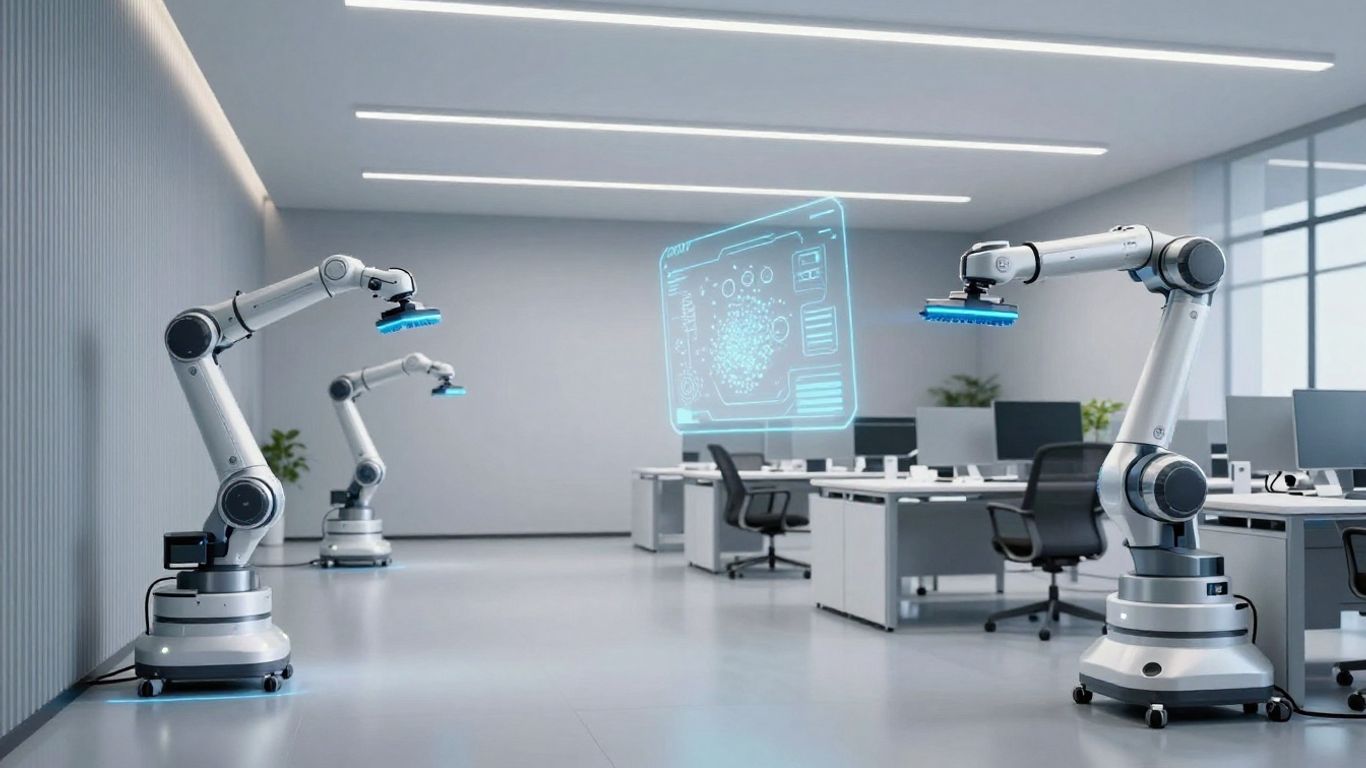
The commercial cleaning industry is really changing, and it's exciting to see where things are headed. It's not just about making things look clean anymore; it's about creating genuinely healthy and productive spaces. Businesses are looking for more than just a quick wipe-down; they want environments that actively support well-being and efficiency. This shift means cleaning companies need to think differently, adopting new tools and strategies to meet these evolving demands.
AI-Driven Analytics for Targeted Services
AI is becoming a big deal in figuring out exactly where and when cleaning is most needed. Instead of just following a set schedule, AI systems can look at data like how many people are in a building, which areas get the most use, and even things like weather patterns. This helps cleaning teams focus their efforts where they'll make the biggest difference. It's about being smart with resources and making sure high-traffic zones are always up to par. This kind of targeted approach means less wasted effort and better results. It’s a move towards proactive cleaning strategies that anticipate needs rather than just reacting to them.
Smart Robots for Complex Environments
Robots are no longer just a novelty; they're becoming essential tools, especially in large or complicated spaces. Think about big office buildings, hospitals, or warehouses. AI-powered robots can handle repetitive tasks like floor scrubbing or vacuuming with incredible consistency. They can navigate around obstacles, map out cleaning paths, and work efficiently without constant supervision. This frees up human cleaning staff to handle more detailed, specialized tasks that require a human touch, like sanitizing high-touch surfaces or dealing with specific cleaning challenges. It’s a way to boost overall efficiency and ensure a higher standard of cleanliness across the board.
The Shift Towards Proactive Cleaning Strategies
Ultimately, the future of commercial cleaning is about moving from a reactive model to a proactive one. This means using data and smart technology to predict needs and prevent issues before they arise. It’s about creating a consistently healthy environment rather than just cleaning up messes. This proactive approach benefits everyone – it leads to fewer sick days, happier employees, and a better overall impression for clients and visitors. It’s a smarter, more effective way to manage workplace hygiene.
The integration of AI and robotics isn't just about making cleaning faster; it's about making it more intelligent. By understanding usage patterns and environmental factors, cleaning services can become more efficient, effective, and tailored to the specific needs of each workspace. This data-driven approach is key to maintaining healthier environments.
Leveraging AI for Superior Cleaning Outcomes
Artificial intelligence is really changing the game when it comes to keeping commercial spaces clean. It's not just about robots vacuuming floors anymore; AI is getting smarter about how and when cleaning happens. This means we can move beyond just reacting to messes and start anticipating them.
Predictive Cleaning Based on Usage Patterns
Think about it: not every part of an office needs the same amount of attention every day. AI can look at how a space is actually used – like which hallways get the most foot traffic, or which meeting rooms are booked back-to-back. By crunching this data, AI can figure out the best times and places to focus cleaning efforts. This stops cleaners from wasting time in areas that are barely used and makes sure the busy spots get the attention they need, right when they need it.
Here's a simplified look at how it works:
- Data Collection: Sensors and usage logs gather information on activity levels.
- Pattern Analysis: AI algorithms identify trends and predict future needs.
- Optimized Scheduling: Cleaning tasks are assigned based on these predictions.
- Dynamic Adjustment: Schedules can change on the fly if unexpected activity occurs.
This smart approach means cleaning resources are used much more effectively. Instead of a fixed schedule that might miss things or over-clean others, AI helps tailor the cleaning to the real-world demands of the building.
Automated Response to Real-Time Needs
Beyond just predicting, AI can also react instantly. Imagine a spill happens in a busy cafeteria. Instead of waiting for someone to report it, sensors could detect the mess, and AI could immediately dispatch a cleaning unit or alert the nearest staff member. This kind of rapid response is a big deal for maintaining hygiene, especially in places where germs can spread quickly. It helps keep surfaces clean and safe throughout the day, not just after hours.
Enhanced Safety and Accountability Through Data
One of the really neat things about AI in cleaning is the data it generates. Every task, every area cleaned, can be logged. This creates a clear record of what's been done, when, and by whom (or what robot!). For facility managers, this means better oversight and proof that cleaning standards are being met. It also helps identify areas that might need more frequent attention or training for staff. This level of transparency builds trust and makes sure everyone is on the same page about maintaining a healthy environment.
AI as a Game-Changer in Commercial Cleaning
Transforming Cleaning Operations with Intelligence
It’s pretty clear that artificial intelligence isn't just for fancy tech companies anymore. It's really starting to change how we keep our workplaces clean. Think about it: instead of just sending a cleaning crew on a set schedule, AI can look at how a building is actually being used. It can figure out which areas get the most foot traffic, when restrooms are busiest, or even when a conference room was used last. This means cleaning happens when and where it's actually needed, not just because the clock says so. This shift from reactive to proactive cleaning is a huge deal. It makes the whole process way more efficient and, honestly, just smarter.
Achieving Higher Hygiene Standards
AI helps us get to a level of cleanliness that was tough to reach before. For instance, AI-powered robots can handle repetitive tasks like vacuuming or scrubbing floors, and they do it consistently every time. This frees up human cleaners to focus on the more detailed work, like sanitizing high-touch surfaces or dealing with specific spots. Plus, with sensors and data analysis, we can track cleaning performance in real-time. This means we can spot issues right away and fix them before they become bigger problems. It’s about making sure every corner is clean, all the time.
The Strategic Advantage of AI Adoption
Adopting AI in cleaning isn't just about having the latest gadgets; it's a smart business move. It leads to better resource management, which can cut down on costs. It also means a healthier environment for everyone working there, which can boost morale and productivity. Businesses that embrace these technologies are showing they care about their employees' well-being and are serious about maintaining a top-notch facility. It’s about staying ahead of the curve and providing a superior experience. For facility managers, this means having better data to manage building systems and prove the value of cleaning services.
Here’s a quick look at how AI is making a difference:
- Optimized Scheduling: AI analyzes usage patterns to create the most efficient cleaning routes.
- Real-Time Monitoring: Sensors detect when and where cleaning is needed most.
- Consistent Quality: Automated systems perform tasks reliably, reducing human error.
- Data-Driven Decisions: Insights from AI help refine cleaning strategies over time.
The integration of AI into commercial cleaning is fundamentally changing how we approach hygiene. It moves us beyond simple surface-level cleaning to a more intelligent, responsive, and data-informed system. This not only improves the cleanliness of our spaces but also contributes to a healthier and more productive work environment for everyone involved.
Looking Ahead
So, it's pretty clear that cleaning up our workplaces is changing, and fast. We're seeing a lot more tech, like robots and smart sensors, helping out. Plus, everyone's really focused on being healthier and kinder to the planet. It's not just about making things look clean anymore; it's about creating spaces that are genuinely good for the people in them and for the environment. Businesses that jump on board with these new ideas, especially with AI stepping in, are going to be the ones setting the standard for what a healthy, modern workspace looks like. It’s an exciting time for keeping our offices and buildings in top shape.
Frequently Asked Questions
What is AI and how is it used in cleaning?
AI stands for Artificial Intelligence. Think of it as making computers smart enough to learn and make decisions. In cleaning, AI helps robots figure out the best way to clean a room, like a smart map. It can also tell us when and where cleaning is needed most, so things stay clean all the time.
Will robots replace all cleaning jobs?
Not really. Robots are great at doing the same tasks over and over, like vacuuming big floors. This frees up people to do the more detailed cleaning that needs a human touch, like wiping down surfaces or handling special cleaning jobs. It's more about teamwork between people and robots.
How does AI make cleaning more efficient?
AI can look at how much a place is used, like how many people walk through a hallway. Then, it can plan the best cleaning routes and times. This means cleaning happens when and where it's most needed, saving time and making sure everything stays spotless.
What are 'smart sensors' in cleaning?
Smart sensors are like little eyes and ears. They can detect when a trash can is full, when a soap dispenser is empty, or when a surface has been touched a lot. This information is sent to cleaning staff so they can fix the problem right away, keeping things clean and healthy.
Why is 'green cleaning' important?
Green cleaning uses products that are better for the environment and safer for people. Instead of harsh chemicals, it uses things that break down naturally. This helps keep the air cleaner indoors and reduces pollution, making workplaces healthier for everyone.
How does data help improve cleaning?
By collecting information about how often areas are used and cleaned, we can understand what works best. This data helps predict when cleaning is needed and shows if the cleaning is good enough. It makes cleaning smarter and more effective, ensuring a healthier space.
Comments
Post a Comment